
Dedicated Appliance Circuits In San Jose
Dedicated Appliance Circuits Experts
Family-owned and operated for over 30 years. We provide fast, affordable, and licensed electrical solutions for residential and commercial projects—from panel upgrades to 24/7 emergency repairs.
California Power and Light
What Is Dedicated Appliance Circuits?
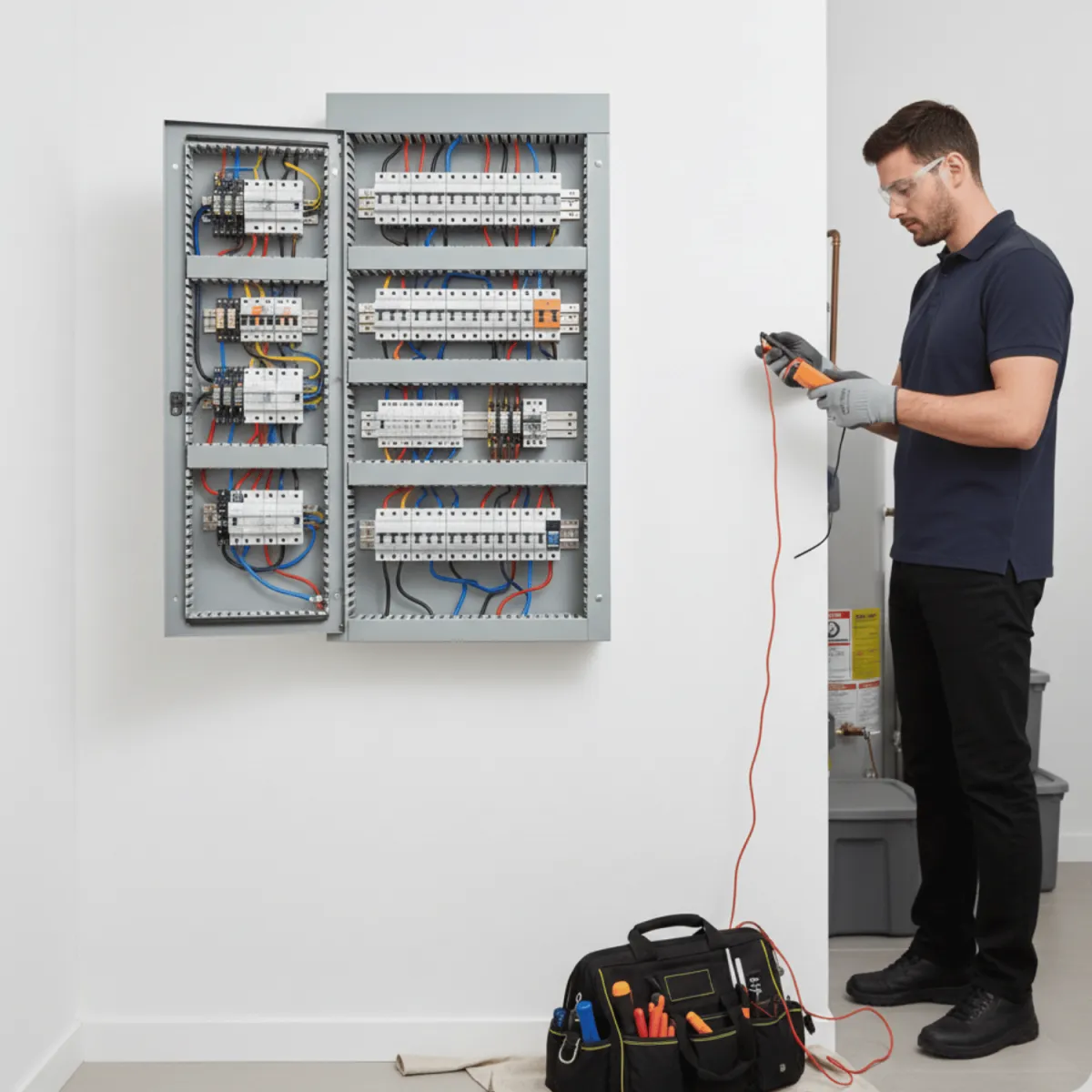
A dedicated appliance circuit is an electrical circuit that serves one—and only one—heavy-draw appliance. It has its own circuit breaker in your main electrical panel and a single designated receptacle. Because no other lights, outlets, or devices share this circuit, the appliance can draw the power it needs without overloading the system.
Standard circuits in your home often daisy-chain multiple outlets and lights together. However, large modern appliances—like HVAC systems, electric ranges, refrigerators, and heavy-duty microwaves—require a massive, continuous draw of electricity. A dedicated 120-volt or 240-volt circuit ensures that these appliances operate safely and efficiently, without starving other devices of power or creating a dangerous fire hazard behind your drywall.
California Power and Light
When Is Dedicated Appliance Circuits Necessary?
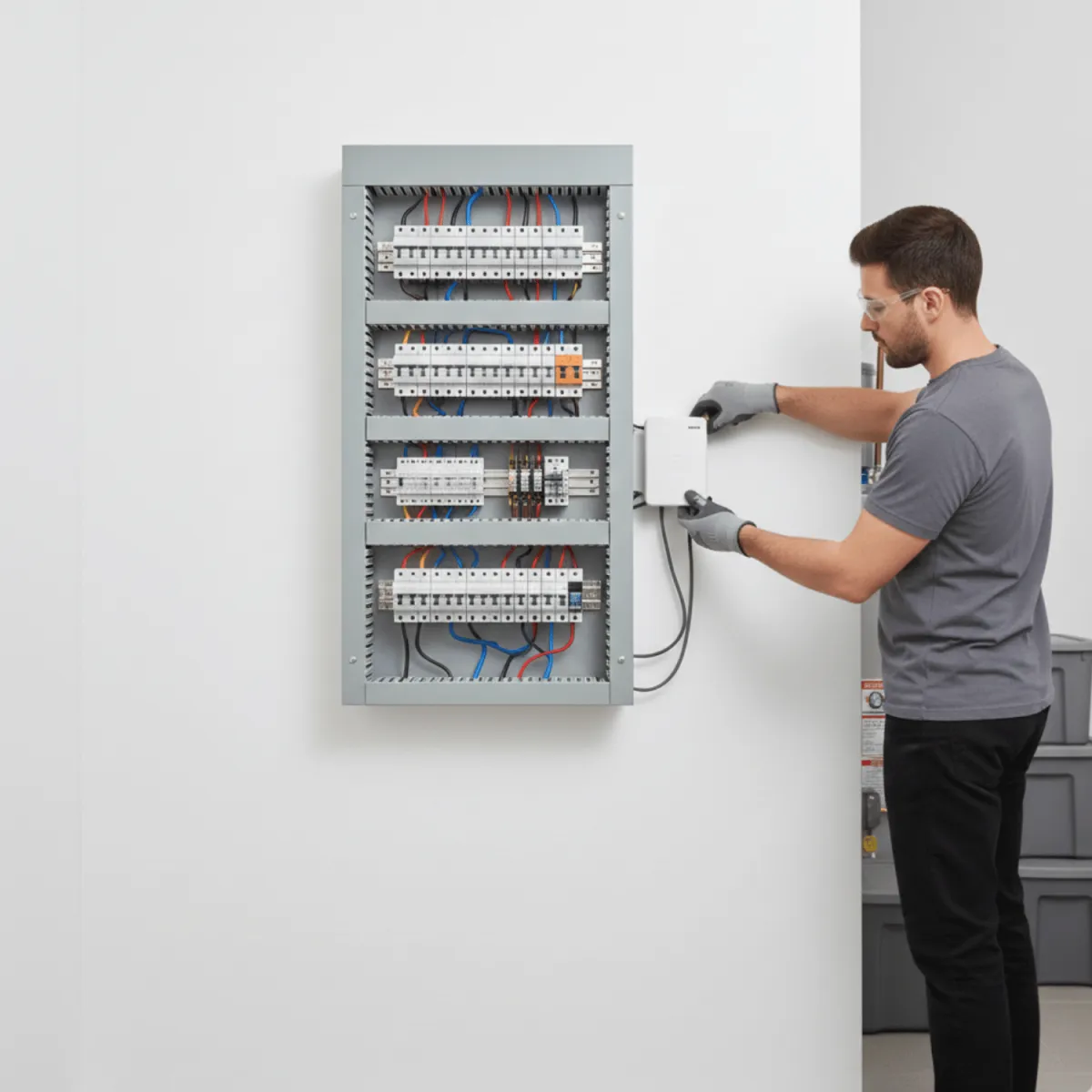
The National Electrical Code (NEC) mandates that certain heavy-duty appliances must be on their own dedicated circuits. If your San Jose home was built decades ago, its original wiring was never designed to handle today’s high-tech, energy-hungry appliances. A dedicated circuit installation is necessary if you are experiencing any of the following:
Constantly Tripping Breakers: If turning on the microwave while the toaster is running causes a loud pop and kills the power to your kitchen, your shared circuit is dangerously overloaded.
You Are Remodeling Your Kitchen or Laundry Room: Upgrading to a professional-grade induction cooktop, double wall oven, or a high-capacity electric dryer always requires the installation of new, dedicated 240V circuits to meet modern building codes.
You Are Installing New HVAC Equipment: Adding a new central air conditioner, a ductless mini-split system, or a whole-house fan requires a dedicated electrical line to handle the massive surge of power needed to start the motors.
Appliance Warranties Require It: Many premium appliance manufacturers (like Sub-Zero or Wolf) will void your warranty if their equipment is installed on a shared circuit, as voltage drops can severely damage their sensitive internal computer boards.
Protecting Critical Systems: Your refrigerator and deep freezer must be on dedicated circuits. If they share a breaker with a bathroom GFCI outlet that trips, you could lose hundreds of dollars in spoiled food without even realizing the power went out.
California Power and Light
What Is Required For Dedicated Appliance Circuits?
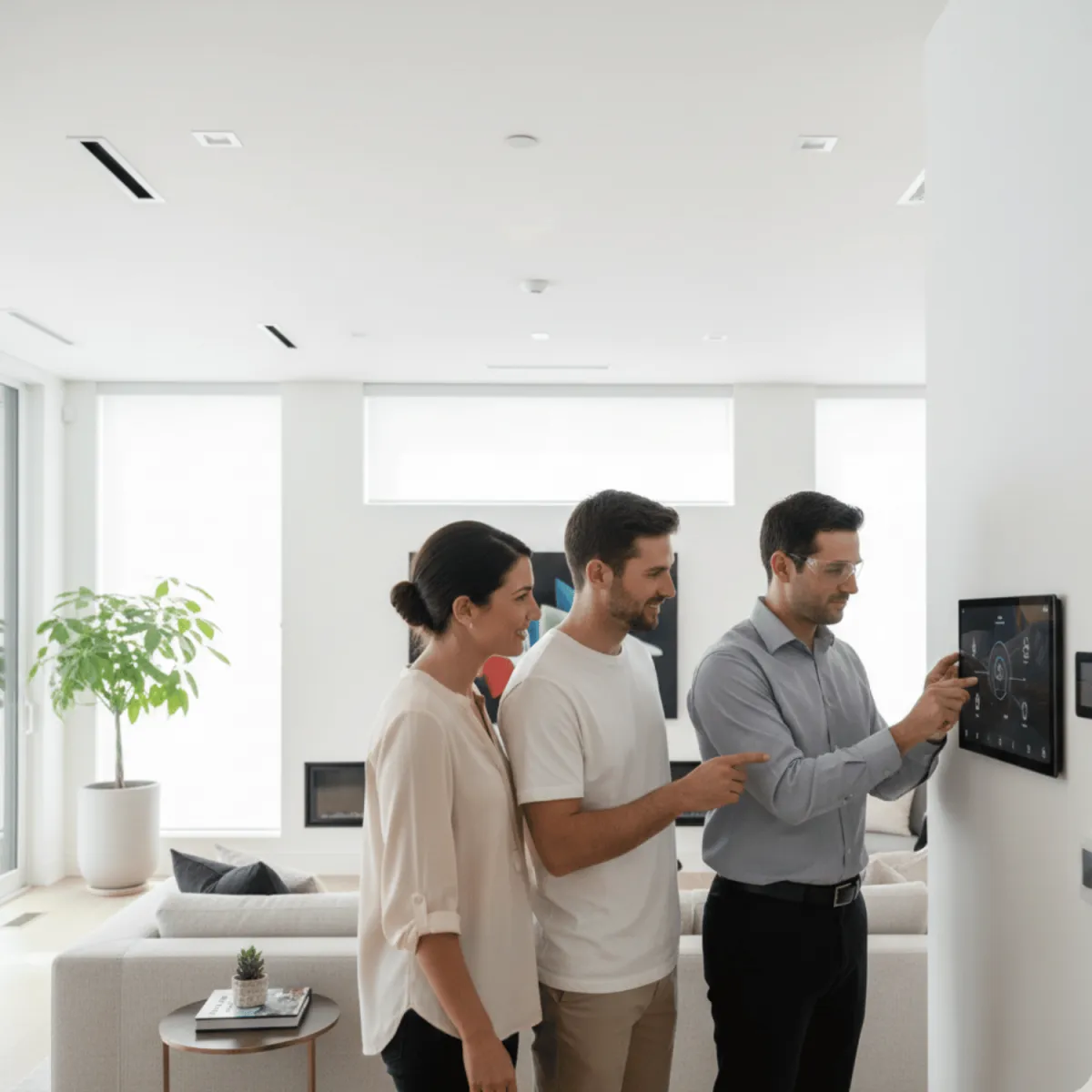
Running new electrical lines for heavy machinery requires precision sizing, expert wire routing, and strict code compliance. You cannot simply swap out a standard outlet for a larger one. When California Power and Light installs a dedicated circuit in your Bay Area home, we ensure flawless execution:
1. Precise Amperage Calculation: We determine exactly how much power your new appliance requires. We size the new circuit breaker (typically 15, 20, 30, or 50 amps) and match it with the exact gauge of copper wire necessary to carry that load safely without overheating.
2. Electrical Panel Capacity Check: Before adding a new breaker, we inspect your main service panel to ensure it has the physical space and the overall electrical capacity to support the new load. If your panel is maxed out, we will provide clear options, such as installing a tandem breaker or adding a small subpanel.
3. Expert Wire Fishing: We specialize in running new NM-B (Romex) wire from your garage or basement panel directly to the appliance location. Our veteran electricians use specialized tools to fish wires through attics, crawlspaces, and finished walls with minimal-to-zero drywall damage.
4. Installing the Correct Receptacle: 240-volt appliances use completely different plug configurations (like a 3-prong or 4-prong NEMA receptacle) than standard wall outlets. We install the exact commercial-grade receptacle required by your specific appliance model.
5. NEC Code Compliance & Safety Testing: We ensure the new circuit meets all current California electrical codes, including installing GFCI or AFCI protection if the appliance is located in a kitchen, garage, or damp location. Finally, we test the circuit under load to guarantee stable voltage.
TESTIMONIALS
What Our Dedicated Appliance Circuits Customers Say About Us
The Process
3 Step Process For Your Dedicated Appliance Circuits Needs

Contact Us
Start by completing the 'Get a Free Quote' form on our website to share your Dedicated Appliance Circuits needs with us.

Schedule Your Estimate
Next, we'll arrange a property visit at a time that works for you to provide an in-person estimate for your Dedicated Appliance Circuits needs.

Get The Job Done
After you approve our estimate, we'll schedule a date to complete the job. Our team will work hard to exceed your expectations!
Request A Free Dedicated Appliance Circuits Quote
BUSINESS
SERVICES
SERVICE AREAS
OPERATING HOURS
24/7 Days a week